Building Your Own Wooden Fishing Boat: A Guide for Beginners
You've probably dreamt of it, haven't you? Gliding across the calm waters of a lake, the gentle rocking of the boat beneath you, a fishing rod in hand, and the sun warming your face. Or maybe you envision a sunrise cruise along a winding river, the mist rising from the water, and the quiet beauty of nature surrounding you. Whatever your vision, building your own wooden fishing boat is a rewarding project that can bring you closer to the water and create a unique connection with nature. And the best part? It's easier than you might think, especially if you're willing to embrace a more DIY approach!
Sure, you could buy a ready-made boat, but there's something truly special about crafting your own vessel from scratch. It's a chance to learn new skills, connect with your heritage, and create something truly unique. Plus, you get to choose exactly what you want in your boat, from the size and shape to the features and details.
The Beauty of Minimalist Boat Building
The beauty of minimalist boat building lies in its simplicity. It's all about focusing on the essentials, making use of basic tools and techniques, and finding creative solutions along the way. You don't need a fancy workshop or a long list of expensive equipment. You can get started with a few basic hand tools, a little bit of ingenuity, and a whole lot of enthusiasm.
Think of it as a chance to reconnect with the craft of boat building in its purest form. You'll be working with your hands, understanding the materials, and experiencing the satisfaction of creating something beautiful and functional from scratch. It's a journey that will teach you valuable lessons about patience, problem-solving, and the art of working with wood.
Choosing Your Boat Design
First things first, you need to decide on the boat design that's perfect for you. Consider your needs and preferences:
- What type of fishing will you be doing?
- What size of water will you be navigating?
- How many people will you be taking onboard?
- What kind of engine will you be using?
- What kind of budget do you have?
There are plenty of free boat plans available online and in books. Start browsing and see what catches your eye. Here are some classic, beginner-friendly designs to get you started:
Rowboats and Dinghies
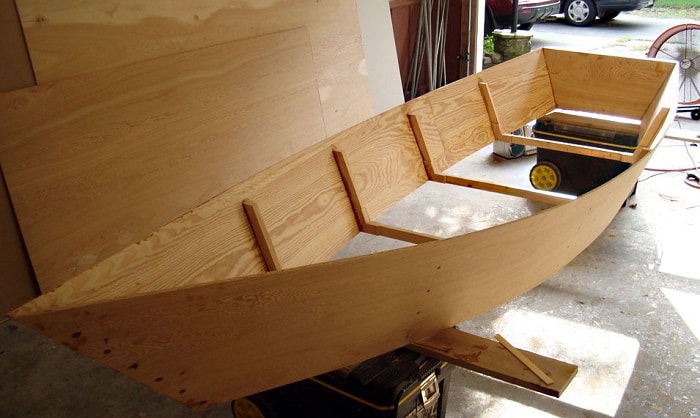
These are simple, versatile, and perfect for smaller bodies of water. They require less material, are easier to build, and can be enjoyed by anyone, from seasoned anglers to families looking for peaceful paddles on the lake.
Small Sailboats
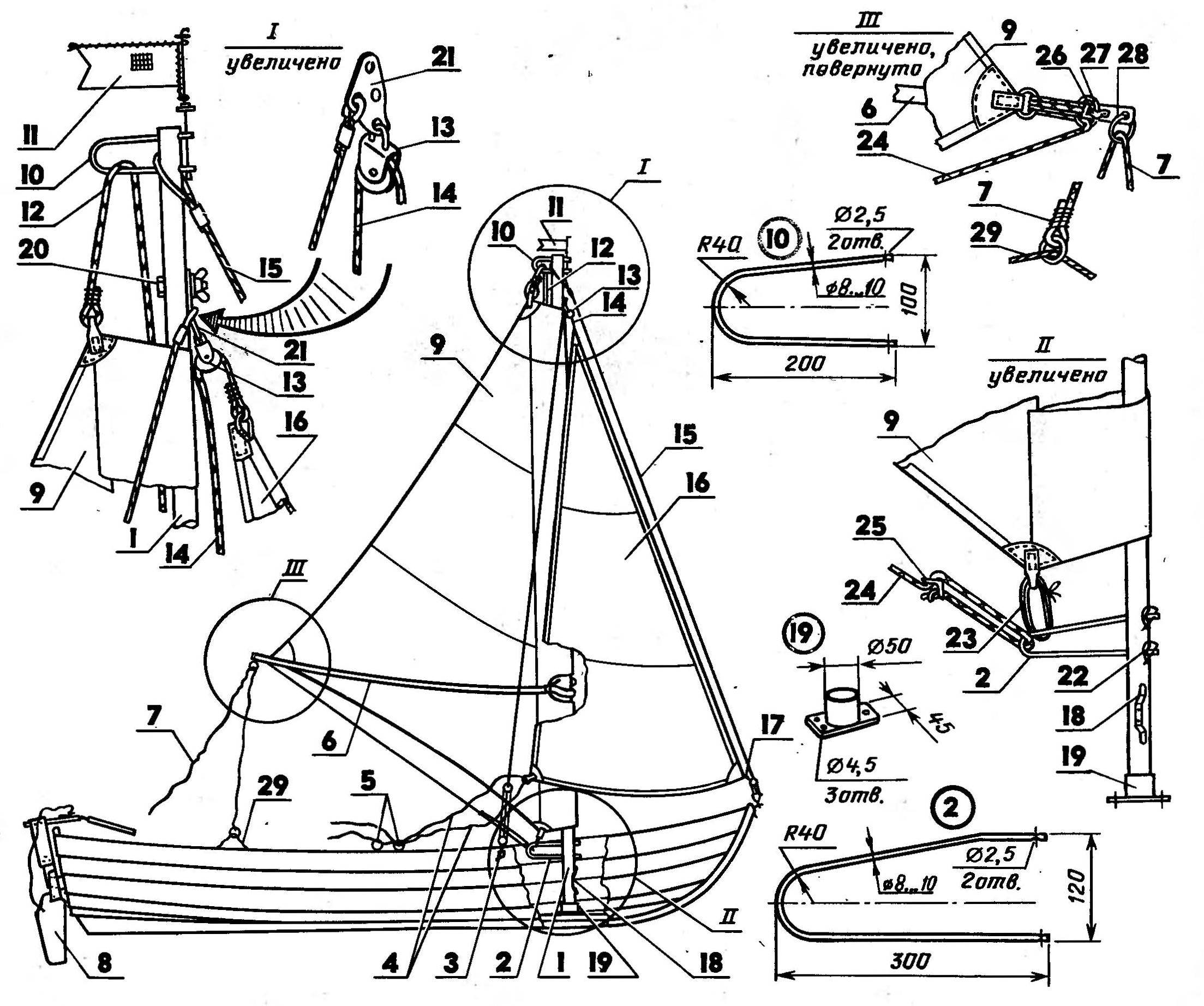
If you dream of sailing, a small sailboat is an excellent choice for learning the basics. They're relatively simple to build and offer a unique experience on the water.
Simple Fishing Skiffs
For serious anglers, a fishing skiff is a practical choice. They're designed to be stable, durable, and capable of handling a variety of fishing gear.
Essential Tools for Minimalist Boat Building
You don't need a whole workshop full of tools to build your own wooden boat. A few essential tools will get you started:
- Hand saw
- Hammer
- Screwdriver
- Measuring tape
- Level
- Clamps
- Chisels
- Planes
- Sandpaper
As you progress, you might find yourself wanting to add to your tool collection. But for a first-time build, these basic tools will get you through most of the process.
Choosing the Right Wood
When it comes to boat building, wood is the heart and soul of the project. Choosing the right wood is crucial for creating a boat that's both durable and beautiful.
Some popular choices for boat building include:
- Cedar: Known for its lightweight, rot-resistant qualities and beautiful natural aroma.
- Oak: Strong, durable, and water-resistant, making it ideal for structural elements.
- Pine: A more affordable option that's lightweight and easy to work with.
- Mahogany: A luxurious wood with rich color and exceptional strength.
The type of wood you choose will depend on your boat design, budget, and personal preferences. If you're unsure, research different wood types and talk to experienced boat builders for advice.
Step-by-Step Guide to Boat Building
Once you've chosen your design and gathered your materials, you're ready to start building! Here's a general overview of the steps involved:
1. Laying the Keel
The keel is the backbone of your boat, so make sure it's straight and strong. Follow your plans carefully and use precise measurements to ensure a solid foundation for the rest of your build.
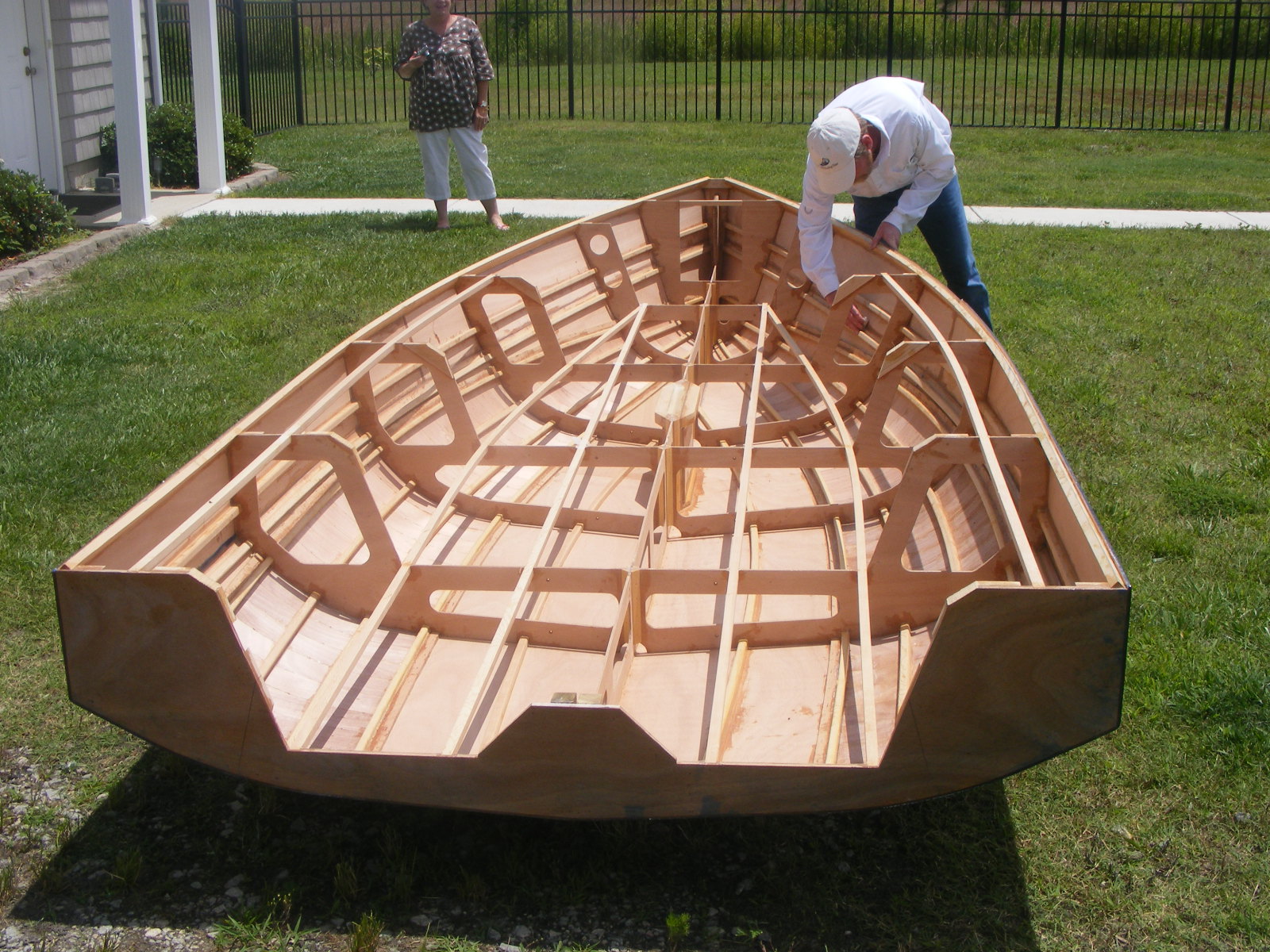
2. Building the Frames
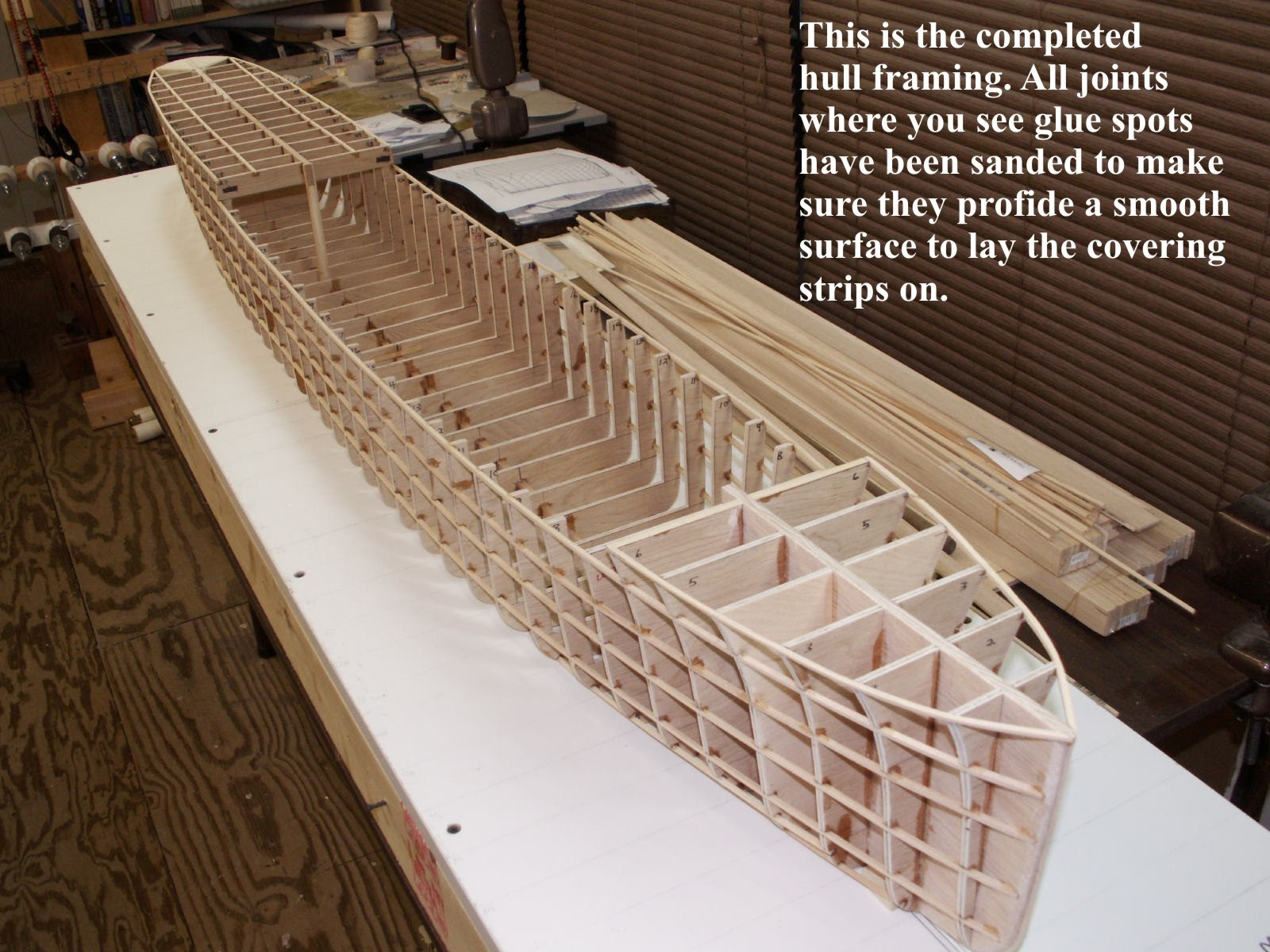
The frames give your boat its shape and support the hull. They're typically made of wood and are attached to the keel at specific angles. Take your time with this step, as accurate angles are essential for a properly balanced boat.
3. Planking the Hull
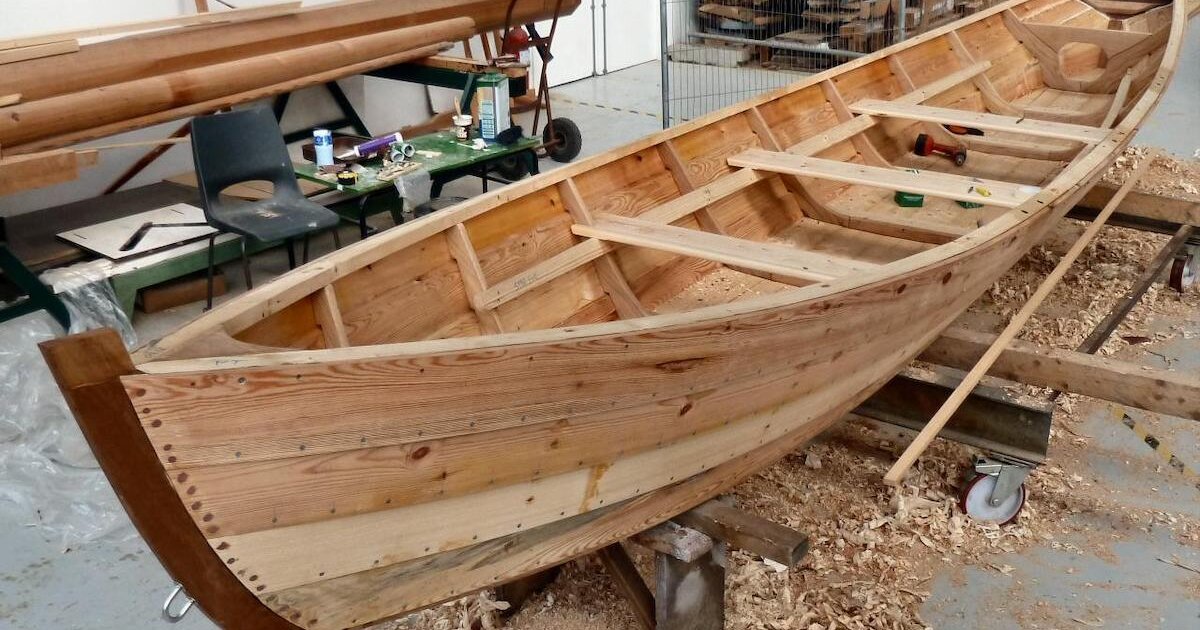
This is where your boat starts to take shape! Planking involves attaching wooden planks to the frames, forming the outer shell of your hull. Use quality wood, and make sure each plank is fitted snugly against the previous one to ensure a watertight seal.
4. Deck Construction
The deck is the top part of your boat and provides a platform for walking and sitting. Build it according to your plans and attach it securely to the hull. You can add features like seating, storage compartments, or even a small cabin if you'd like.
5. Finishing Touches
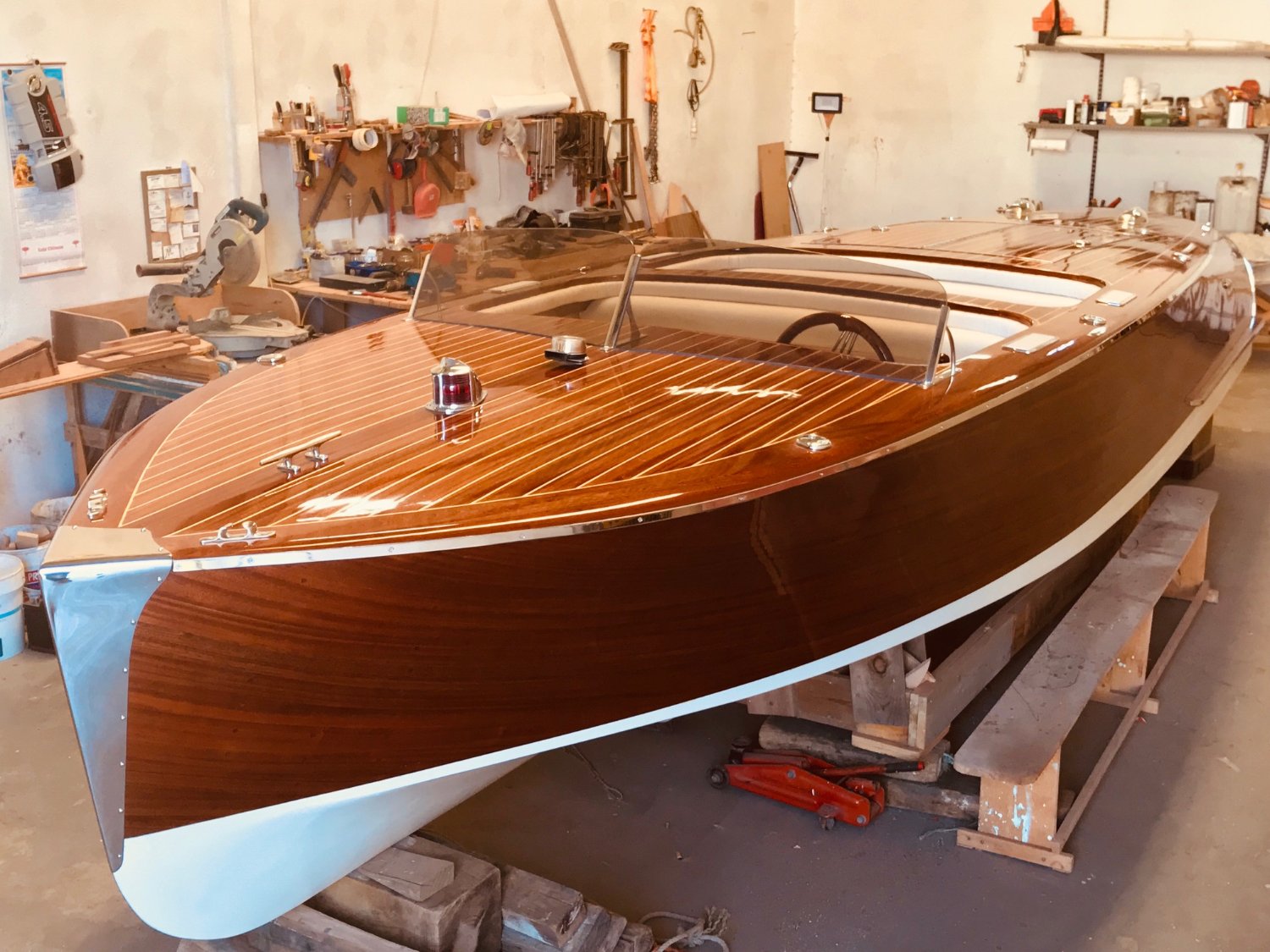
Once the basic structure is complete, it's time to add the finishing touches. This might include sanding the hull, painting or varnishing, installing hardware like cleats and oarlocks, and adding any decorative details that reflect your personal style.
Resources for Beginners
Don't be intimidated by the prospect of building a boat from scratch. There are plenty of resources available to help you along the way.
- Boat Building Books and Websites: Explore books and websites dedicated to boat building, offering step-by-step instructions, tips, and techniques.
- Boat Building Forums and Communities: Connect with other boat builders, ask questions, and share your experiences. Online forums and communities offer a wealth of knowledge and support.
- Local Boat Building Workshops and Classes: Enroll in a local boat building class or workshop to get hands-on experience and guidance from experienced instructors.
Commonly Asked Questions
Here are some common questions that boat building beginners often ask:
How long does it take to build a boat?
The time it takes to build a boat depends on the complexity of the design, the amount of time you can dedicate to the project, and your experience level. A simple rowboat can be built in a few weeks, while a more complex sailboat may take several months or even years.
How much does it cost to build a boat?
The cost of building a boat varies greatly depending on the size and complexity of the design, the materials used, and whether you purchase plans or build from scratch. You can build a simple rowboat for a few hundred dollars, while a larger sailboat could cost thousands.
Do I need any prior woodworking experience?
While some woodworking experience can be helpful, it's not essential. Many boat builders start with no experience and learn as they go. The key is to be patient, pay attention to detail, and be willing to learn new skills. The process itself is a rewarding learning experience.
Where can I find boat building plans?
There are many sources for boat building plans, both free and paid. You can find them online, in books, or from boat building organizations. Search for specific boat types (like rowboats, dinghies, skiffs, or sailboats) to narrow down your search.
What is the best way to learn how to build a boat?
The best way to learn how to build a boat is through a combination of hands-on experience, research, and mentorship. Start by choosing a simple design and following the instructions carefully. Join boat building communities, seek advice from experienced builders, and don't be afraid to ask questions. The more you learn and practice, the more confident you'll become.
Remember, building your own wooden boat is a journey of discovery, skill-building, and creative expression. Embrace the challenges, celebrate the victories, and enjoy the satisfaction of crafting a vessel that you'll cherish for years to come.