
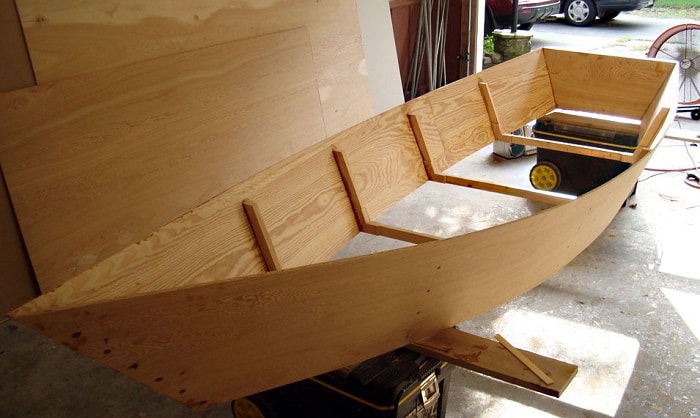
Plywood Boat Plans: Charting a Course Towards Eco-Conscious Boatbuilding
Building a boat is a significant undertaking, a testament to human ingenuity and a connection to the very waters we navigate. But what if we could build these vessels not just with skill, but with sustainability at the forefront? This article delves into the world of plywood boat plans, exploring less-discussed aspects of eco-friendly boat building and offering fresh perspectives for hobbyists, professionals, and educational institutions alike.
Beyond the Hull: Rethinking the Entire Lifecycle
Most discussions about eco-friendly boatbuilding focus on the materials. While crucial, this is only part of the picture. A truly sustainable approach requires a holistic view, encompassing the entire lifecycle of the vessel. Let's explore some key questions:
Q: Isn't plywood inherently sustainable?
A: The answer is nuanced. While plywood can be sourced from sustainably managed forests (look for FSC certification), the manufacturing process itself involves energy consumption and potentially harmful chemicals. The type of adhesive used is a major factor. Formaldehyde-based glues are a concern, so opting for marine-grade plywood with low-emission or formaldehyde-free adhesives is crucial. Furthermore, the transportation distance of the plywood significantly impacts the carbon footprint.
Q: What about the end-of-life? Where does the boat go after its service life?
A: This is a rarely discussed but crucial aspect. Unlike cars, boat disposal isn't always straightforward. Think about designing for disassembly. Could the plywood be salvaged and repurposed for smaller projects after the boat's lifespan? Could specific components be easily replaced rather than the entire structure? Exploring these design considerations makes the boat significantly more sustainable.
Innovative Plywood Selection and Treatment
The type of plywood you choose significantly impacts the environmental impact of your project. Let's examine some under-explored options:
Bamboo Plywood: A Rising Star
Bamboo grows rapidly, making it a highly renewable resource. Bamboo plywood offers a lightweight, strong, and surprisingly water-resistant alternative to traditional wood. While still relatively new in boatbuilding, its potential is immense. Research ongoing into its durability and long-term performance in marine environments needs wider dissemination amongst boat builders.
Recycled Plywood: Giving Materials a Second Life
While challenging to source in sufficient quantities for boatbuilding, the concept of utilizing recycled plywood warrants exploration. Research into developing efficient methods of reprocessing construction waste into marine-grade plywood could revolutionize the industry's sustainability.
The Story of "The Seafarer": A Case Study
Imagine a small community embarking on a project to build a fleet of fishing boats entirely from recycled and sustainably sourced materials. This isn't fiction; this is the concept behind "The Seafarer" project â€" a hypothetical example highlighting the potential of community-based, eco-conscious boatbuilding. This collaborative effort would involve sourcing recycled plywood from local construction sites, employing local craftsmen, and educating the community about sustainable practices. The boat’s design would prioritize ease of repair and disassembly, ensuring its components could be reused after its service life. Such a project could provide valuable educational opportunities, create local jobs, and leave a minimal environmental footprint.
Beyond Materials: Minimizing the Carbon Footprint
Sustainable boatbuilding extends beyond material choices. Consider these factors:
- Local sourcing: Reducing transportation distances minimizes emissions.
- Energy-efficient tools: Employing power tools with high energy efficiency reduces the overall carbon footprint of the building process.
- Waste minimization: Careful planning and precision cutting reduce material waste.
Building an eco-friendly plywood boat is not just about choosing "green" materials; it's about adopting a holistic, lifecycle-focused approach. By embracing innovation and collaboration, we can navigate towards a future where boatbuilding is both a skilled craft and a responsible practice.
0 comments:
Post a Comment
Note: Only a member of this blog may post a comment.