
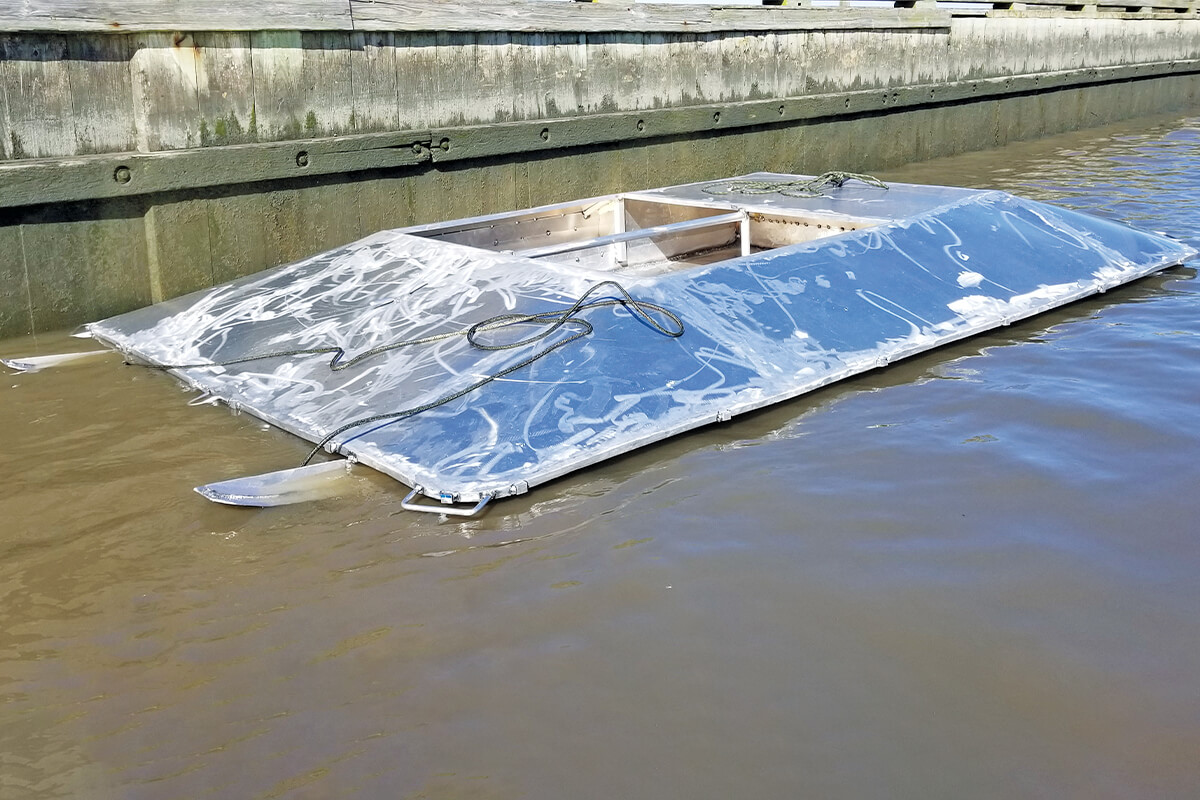
Hybrid Duck Boat Building for Maximum Maneuverability in Tight Spaces
The concept of a duck boat, a vessel capable of navigating both water and land, has captivated imaginations for centuries. Its utility, particularly in traversing tight spaces, has been a subject of much discussion and experimentation. This article delves into the fascinating world of hybrid duck boat building, focusing on techniques that maximize maneuverability in confined environments.
The Importance of Hybrid Propulsion Systems
Traditional duck boats often rely on a single propeller for propulsion, which can be inefficient and cumbersome in tight spaces. This limitation arises from the inherent design of propellers, which are designed for optimal performance in open water. In confined areas, the propeller's thrust can be deflected by nearby obstacles, resulting in reduced maneuverability and increased risk of damage.
The Hybrid Approach
Hybrid propulsion systems, which combine multiple propulsion methods, offer a compelling solution to this challenge. By integrating alternative propulsion mechanisms alongside traditional propellers, hybrid duck boats gain enhanced maneuverability in tight spaces. These alternative mechanisms can include:
- Electric Motors: Electric motors provide precise control and low noise levels, making them ideal for maneuvering in tight spaces. They can be directly coupled to wheels or tracks, offering a powerful alternative to propellers in confined environments.
- Jet Propulsion Systems: Jet propulsion systems draw water into a chamber and expel it at high velocity, providing thrust without relying on a propeller. This design eliminates the risk of propeller damage in tight spaces and allows for precise maneuvering.
- Hydraulic Actuators: Hydraulic actuators can be used to control steering and propulsion, offering precise control over the boat's movements. They can be integrated with a variety of propulsion systems, providing a flexible and adaptable solution.
Hull Design for Enhanced Maneuverability
The hull design of a duck boat plays a crucial role in its maneuverability, particularly in tight spaces. A well-designed hull should minimize resistance to movement, facilitate turning, and allow for easy access to confined areas.
Key Hull Design Considerations
- Shallow Draft: A shallow draft, the distance between the bottom of the hull and the waterline, is essential for navigating shallow waters and tight spaces. A shallow draft ensures that the boat can pass over obstacles and access areas where deeper-hulled vessels cannot.
- Wide Beam: A wide beam, the width of the boat, provides stability and increases the surface area for propulsion. A wide beam helps to distribute the boat's weight evenly, preventing it from tipping over in tight spaces.
- Rounded Hull: A rounded hull shape minimizes resistance to movement and facilitates easy turning. Rounded hulls also reduce the risk of damaging obstacles in tight spaces.
Steering and Control Systems for Precise Maneuvering
Precise steering and control are essential for navigating tight spaces safely and efficiently. This requires a combination of sophisticated steering mechanisms, responsive control systems, and a skilled operator.
Advanced Steering Systems
Traditional rudder systems can be inefficient in tight spaces, particularly when maneuvering at low speeds. Advanced steering systems, such as differential thrust, all-wheel steering, and even robotic steering systems, offer superior control and maneuverability in confined environments. Differential thrust allows for precise turning by adjusting the speed of the propulsion system on each side of the boat. All-wheel steering provides greater maneuverability by allowing for independent control of each wheel or track. Robotic steering systems utilize computer algorithms to optimize steering movements, ensuring safe and efficient navigation.
Intuitive Control Systems
The control system should be intuitive and responsive, allowing the operator to make precise adjustments to the boat's course. Advanced control systems can incorporate features like joystick steering, touchscreen displays, and automated maneuvering assistance, simplifying navigation in complex environments. These systems allow the operator to focus on situational awareness and decision-making, rather than on constantly adjusting the boat's course.
Materials and Construction Techniques
The choice of materials and construction techniques is crucial for ensuring the durability and reliability of the hybrid duck boat. Materials should be lightweight, strong, and resistant to corrosion, while construction techniques should be robust and efficient.
Lightweight and Durable Materials
Materials like aluminum, composites, and high-strength steels are often used in hybrid duck boat construction due to their strength-to-weight ratios. These materials ensure that the boat is lightweight enough for efficient movement and strong enough to withstand the stresses of navigating tight spaces.
Advanced Construction Techniques
Advanced construction techniques, such as welding, riveting, and composite bonding, are employed to create strong and durable hulls. These techniques ensure that the boat is structurally sound and can withstand the rigors of use in demanding environments.
Future Developments in Hybrid Duck Boat Technology
The field of hybrid duck boat technology is constantly evolving, with researchers and engineers continuously exploring new possibilities. Future advancements in propulsion systems, hull design, and materials will further enhance maneuverability in tight spaces.
Autonomous Navigation Systems
Autonomous navigation systems, using AI and sensor technologies, hold promise for revolutionizing duck boat operation in tight spaces. These systems could enable boats to navigate autonomously, avoiding obstacles and making decisions based on real-time environmental data. Such advancements would significantly improve safety and efficiency in demanding environments.
Bio-Inspired Designs
Bio-inspired designs, drawing inspiration from the natural world, can provide novel insights into improving maneuverability. Studying the movement of animals that excel in tight spaces, such as crabs and snakes, can lead to the development of new propulsion systems and hull designs that enhance the boat's ability to navigate confined areas.
Conclusion
The development of hybrid duck boats represents a significant advancement in the field of watercraft technology. By combining innovative propulsion systems, optimized hull designs, advanced steering and control systems, and durable construction materials, these vessels can navigate tight spaces with unprecedented maneuverability. Future advancements in autonomous navigation and bio-inspired designs will further push the boundaries of hybrid duck boat capabilities, opening up new possibilities for exploration, transportation, and rescue operations.
0 comments:
Post a Comment
Note: Only a member of this blog may post a comment.