
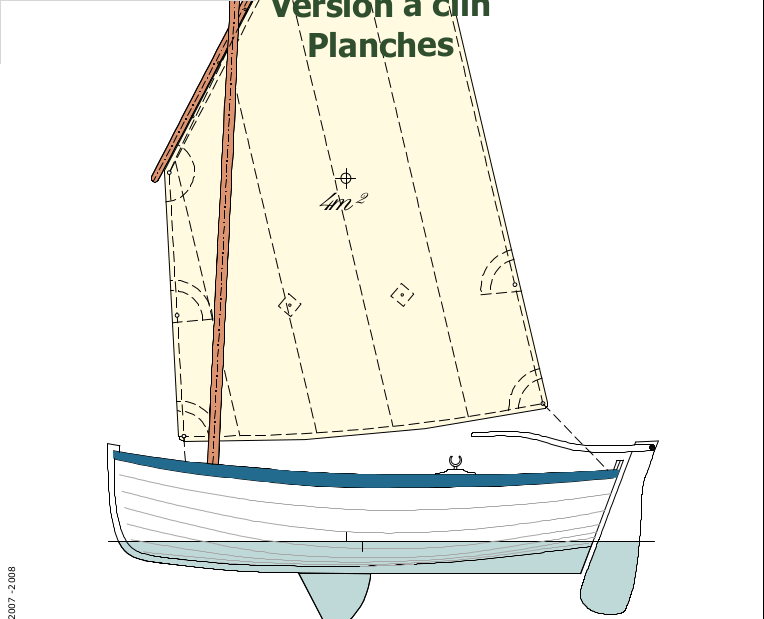
Beyond the Blueprint: Unveiling Hidden Potential in Small Boat Plans
Building your own dinghy is a rewarding endeavor, a blend of craftsmanship and nautical adventure. But navigating the world of small boat plans can feel overwhelming. This article delves beyond the typical advice, exploring often-overlooked aspects to help you build a truly durable and exceptional dinghy.
The Unsung Hero: Material Selection Beyond the Obvious
Most plans focus on traditional materials like plywood and fiberglass. But what about exploring alternatives? Let's dive into some less-discussed options.
Q: What about using reclaimed wood for a truly sustainable dinghy?
A: Reclaimed wood offers unique character and reduces environmental impact. However, careful selection is crucial. Look for hardwoods like teak or oak that are naturally resistant to rot and water damage. Thorough inspection and proper treatment (e.g., epoxy saturation) are essential to ensure durability. Remember to source ethically and legally â€" check local regulations regarding salvaged timber.
Q: Could bamboo offer a surprisingly strong and lightweight hull?
A: Absolutely! Bamboo's inherent strength-to-weight ratio makes it a compelling option. While requiring specialized techniques, laminated bamboo strips can create a remarkably resilient hull. Research specific bamboo species suitable for marine applications and appropriate bonding techniques for optimal results. The resulting dinghy could be both incredibly light and surprisingly strong.
Beyond the Lines: Optimizing Design for Unexpected Conditions
Standard plans rarely account for the unique challenges of your specific boating environment. Let's address some often-overlooked considerations.
Q: How can I adapt my dinghy design for consistently rough waters?
A: A deeper V-hull design offers increased stability and improved performance in choppy conditions. Consider incorporating features like a self-bailing cockpit and robust chines to minimize the impact of waves. Consult hydrodynamic principles and consider employing computational fluid dynamics (CFD) software for advanced design optimization, if your skills allow.
Q: What about designing for specific local challenges like shallow water or strong currents?
A: Shallow-water navigation demands a shallow draft. Consider a flat-bottomed or modified catamaran design. For strong currents, a longer, narrower hull with a well-defined keel can provide better directional stability. Studying local hydrographic charts and consulting with experienced local boaters is essential for optimizing the design.
The Craftsman's Touch: Innovation in Construction Techniques
Let's explore innovative approaches to building your dinghy that go beyond traditional methods.
Story: A friend recently built a stunning dinghy using a stitch-and-glue method with epoxy and fiberglass cloth. He incorporated recycled plastic bottles within the hull layers for additional buoyancy and strength. It proved remarkably durable and surprisingly lightweight.
This highlights the potential for creative adaptations. Exploring advanced joining techniques, incorporating composite materials intelligently, and even experimenting with 3D-printed components for specific parts can lead to both innovative and durable results. Always prioritize safety and thorough research when experimenting with new methods.
Conclusion: Embarking on a Unique Building Journey
Building a dinghy is more than just following plans; it's about creating something unique. By exploring alternative materials, adapting designs to specific conditions, and embracing innovative construction methods, you can build a dinghy that truly reflects your skills and vision. Remember to document your process and share your findings with others â€" the community thrives on shared knowledge and innovative solutions.
Resources: Explore online forums dedicated to boat building, consult with experienced boatwrights, and delve into marine engineering textbooks for a deeper understanding of hydrodynamic principles and material science. Remember â€" safety and thorough planning are paramount in any boat-building project.
0 comments:
Post a Comment
Note: Only a member of this blog may post a comment.