
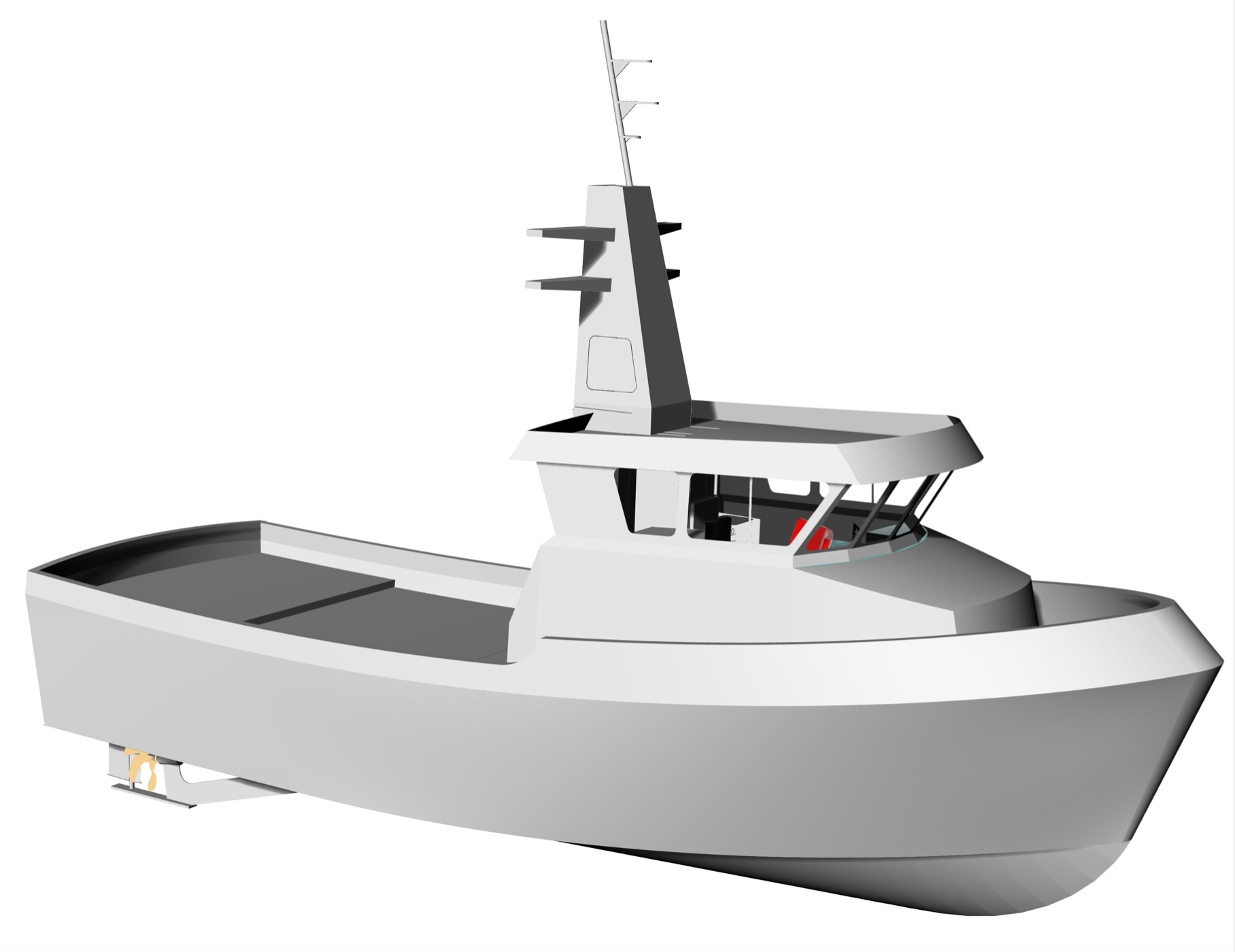
Beyond the Blueprint: Unveiling Hidden Potential in Fishing Boat Plan Modification
Modifying fishing boat plans isn't just about swapping out a motor or adjusting the length. It's about understanding the subtle interplay of forces and materials to create a vessel perfectly tailored to your needs and fishing style. This article dives beyond the typical modifications, exploring less-discussed aspects and offering novel perspectives for hobbyists, builders, and educators alike.
Q&A: Unconventional Approaches to Plan Modification
Beyond Length and Beam: How Can I Optimize for Specific Fishing Techniques?
Q: My favorite fishing spot requires navigating shallow, rocky inlets. How can I modify existing plans to enhance maneuverability and hull protection?
A: Simply changing the length and beam isn't always the answer. Consider these less-conventional options:
- Shallow Draft Modification: Instead of lengthening, focus on reducing the draft. This involves adjusting the hull shape â€" possibly incorporating a modified flat bottom or a shallow-V design in the bow â€" which can significantly increase maneuverability in shallow waters. This requires careful consideration of stability and buoyancy. (Reference: Small Boat Design by Dave Gerr)
- Hull Material Selection and Reinforcement: Opting for a more impact-resistant material like high-density polyethylene (HDPE) or Kevlar reinforcement in critical areas (bow, keel) can better protect against rocks. (Reference: Composite materials data sheets from various manufacturers)
- Adding a Bow Thruster: Integrating a bow thruster, especially if space permits, provides exceptional maneuverability in tight spaces, compensating for any potential loss of maneuverability from modifying the hull. (Reference: Boat thruster manufacturer specifications)
Integrating Modern Technology: Beyond the Basic Electronics Package
Q: I want to integrate the latest in fish-finding technology and autonomous systems. What are the planning considerations?
A: Integrating technology goes beyond simply adding a fish finder. It demands proactive planning during the modification process:
- Power Considerations: Autonomous systems (like autopilot, trolling motors with GPS) increase power demands. Account for this in your electrical system design, potentially upgrading batteries and wiring. (Reference: Marine electrical system design guides)
- Structural Support: Mounting heavy electronics requires robust structural support. Reinforce the relevant sections of the hull and deck during construction to prevent vibration and damage. (Reference: Marine electronics mounting guidelines)
- Seamless Integration: Plan for cable routing and mounting locations during the initial design stage. This will prevent costly rework and improve aesthetics. (Reference: Boat wiring diagrams and best practices)
Real-World Examples: Learning from Innovation
Let's explore a real-world case. A hobbyist, John, successfully modified a small skiff's plans. Instead of simply increasing the length, he focused on optimizing the transom for a larger outboard motor. This required strengthening the transom structure and integrating a larger fuel tank, increasing his range significantly. His innovative approach wasn’t about size but about performance enhancement for his specific fishing needs.
Another builder, Sarah, integrated a unique livewell system into her design. She didn't just add a standard tank; she created a recirculating system with integrated oxygenation and temperature control, enhancing the survival rate of her catch. This highlights the potential for creative solutions beyond the standard plans.
The Future of Fishing Boat Plan Modification: Sustainable and Smart Designs
The future of boat modification hinges on sustainability and smart technology. We can expect to see more focus on:
- Lightweight, eco-friendly materials: Reducing the environmental impact of boat building through sustainable material choices.
- Improved energy efficiency: Incorporating hybrid or electric propulsion systems and optimizing hull design for reduced drag.
- Smart boat technologies: Utilizing sensors and data analytics to optimize performance and fuel consumption, while enhancing safety and navigation.
Modifying fishing boat plans is an engaging process demanding creativity and knowledge. By considering these often-overlooked aspects, hobbyists, builders, and educational institutions can unlock the true potential of boat design, creating vessels that are not only functional but also reflect the unique needs and passions of their creators.
0 comments:
Post a Comment
Note: Only a member of this blog may post a comment.