
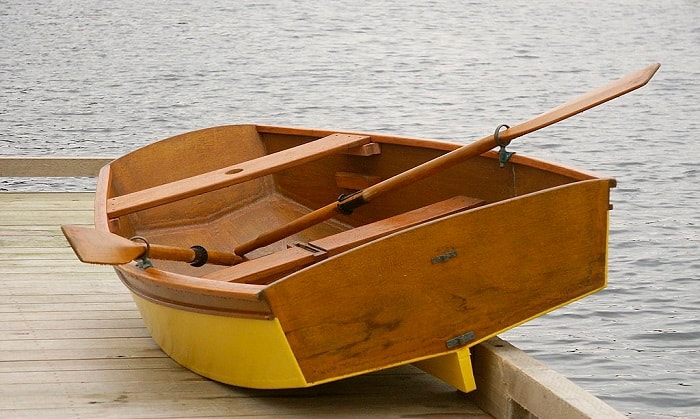
Building Your First Plywood Boat: A Beginner's Guide to DIY Fun
Ever dreamed of gliding across the water in a boat you built yourself? It might sound intimidating, but building a plywood boat is actually a surprisingly achievable project, even for first-timers. With a little patience, some basic woodworking skills, and a healthy dose of enthusiasm, you can craft a beautiful and functional boat that will bring you years of enjoyment. Let's dive in!
Choosing Your Boat Design
The first step in your boat-building journey is selecting the perfect design. Don't get overwhelmed! There are tons of great resources available for beginners, offering simple and well-tested plans. Here are a few things to consider:
- Size and Capacity: How many people will you be taking out on the water? Do you need room for gear or supplies? Start with a smaller design if you're new to boat building.
- Type of Boat: Do you want a rowboat, a dinghy, a kayak, or something else? Each type has its unique characteristics and uses.
- Skill Level: Choose a design that matches your woodworking experience. There are plans for beginners that are easy to follow and don't require complex techniques.
Once you've chosen your design, make sure you have access to the plans. They'll be your guide throughout the entire build process. You can purchase plans online or from boat-building suppliers. Many free plans are also available, but be sure to check their reviews and choose a design that's proven reliable.
Gather Your Supplies
Now that you've got your plans, it's time to gather the necessary supplies. The exact list will vary depending on the design, but here's a general overview:
- Plywood: Marine-grade plywood is essential for boat building. It's specifically treated to resist moisture and rot. Follow your plans for the recommended thickness and type.
- Wood Glue: Use a waterproof wood glue specifically designed for boat building. This will help create strong and lasting joints.
- Fasteners: Depending on your design, you'll need screws, nails, or rivets. Marine-grade stainless steel is the best choice for lasting corrosion resistance.
- Epoxy Resin and Hardener: Epoxy is crucial for sealing and protecting your boat. It creates a strong, waterproof barrier against the elements.
- Fiberglass Cloth: Laying up fiberglass cloth over your boat adds strength and stiffness. It also helps protect the wood from water damage.
- Paint: Use marine-grade paint to protect your boat and give it a beautiful finish. Choose a color that suits your style and preferences.
- Tools: You'll need basic woodworking tools, such as a circular saw, jigsaw, drill, and sander. You'll also need safety gear like gloves, goggles, and a dust mask.
Don't worry if this list seems overwhelming. You can always purchase tools and supplies as needed. Focus on getting the essential items first, and you can gradually build your boat-building toolkit.
Laying the Keel and Frames
Now for the fun part â€" building the boat's skeleton! This process is called "framing" and it involves creating the boat's basic shape. Here's a simplified breakdown of the process:
- The Keel: The keel is the backbone of the boat and runs along the bottom from bow to stern. Cut your keel pieces to the specified length and join them using wood glue and fasteners.
- The Frames: Frames are the ribs of the boat. Cut them to the shapes shown in your plans and attach them to the keel at the correct angles.
- Stems: The stems are the pieces that make up the bow and stern. They're attached to the keel and frames to create the boat's curved shape.
- Planking: Once the framing is complete, it's time to add the planking â€" the outer skin of the boat. You'll be attaching sheets of plywood to the frames, creating a smooth, watertight hull.
Each step involves carefully cutting, fitting, and securing the wood pieces. Take your time, double-check your measurements, and don't hesitate to ask for help if you encounter any challenges. The internet is a valuable resource for tips and advice, and there are many online forums dedicated to boat building.
Finishing and Launching
Once the planking is complete, it's time to give your boat its final touches. This is where you'll make your boat truly shine.
- Epoxy Coating: Apply several layers of epoxy resin to the inside and outside of the hull. This will seal the wood, protect it from water damage, and make it stronger.
- Fiberglassing: Lay up fiberglass cloth over the epoxy coating to further reinforce the hull. This adds stiffness and durability to your boat.
- Sanding and Finishing: Once the epoxy and fiberglass are cured, sand down the hull to create a smooth surface. You can then apply paint, varnish, or other finishes to give your boat a beautiful and protective coating.
Finally, it's time for the moment you've been working towards â€" launching your boat! Choose a calm, sheltered location, and carefully lower your boat into the water. Take a moment to admire your creation and savor the sense of accomplishment. You've done it â€" you built a boat!
Commonly Asked Questions
Here are some common questions that arise when people embark on a DIY plywood boat building journey.
How much does it cost to build a plywood boat?
The cost of building a boat varies depending on the design and materials used. For a small, simple boat, you can expect to spend a few hundred dollars. Larger or more complex designs can cost several thousand dollars. It's important to factor in the cost of tools, supplies, and any necessary modifications.
How long does it take to build a plywood boat?
The time it takes to build a boat also depends on the size and complexity of the design. A simple boat can be completed in a few weeks or months, while a larger boat can take a year or more. The amount of time you can dedicate to the project will affect how quickly you can finish.
Do I need any experience to build a plywood boat?
While some experience with woodworking is helpful, it's not essential. Many beginner-friendly designs are available, and there are countless resources online to help you learn along the way. The key is to be patient, follow the instructions carefully, and don't be afraid to ask for help when needed.
Building a plywood boat is an incredibly rewarding experience that combines craftsmanship, creativity, and a love for the water. You'll learn valuable skills, create something beautiful, and enjoy the satisfaction of knowing you built it yourself. So, gather your tools, choose your design, and get ready to embark on your own boat-building adventure!
0 comments:
Post a Comment
Note: Only a member of this blog may post a comment.