
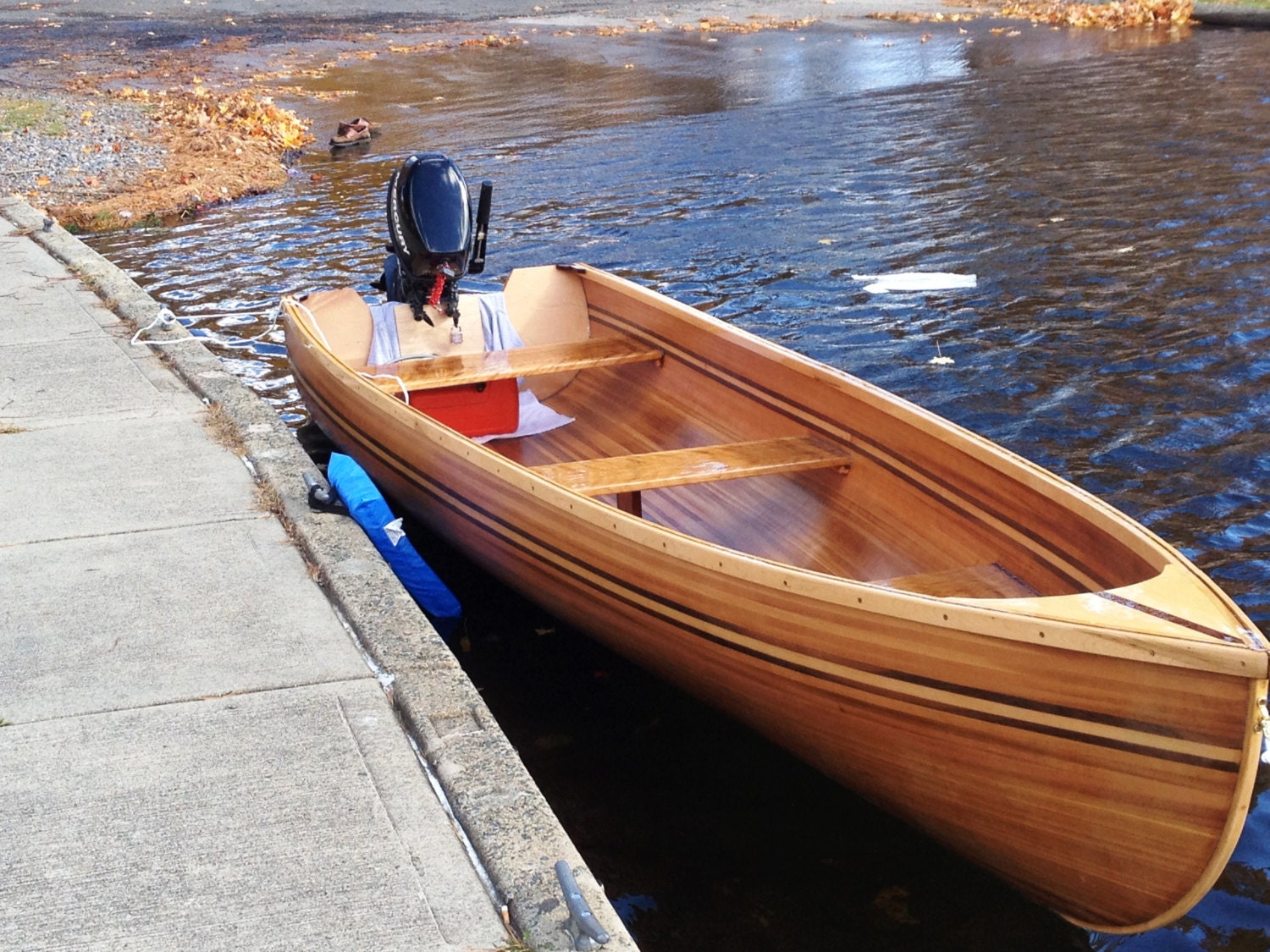
Building a Lightweight Wooden Boat: A DIY Guide
Alright, you're itching to build your own boat, and you've decided on a lightweight wooden design. You're thinking about those sleek, graceful kayaks or maybe a nimble dinghy. You're in for a rewarding challenge! This guide will walk you through the process, offering DIY tips and tricks to help you navigate the journey from plan to paddling.
Choosing the Right Wood
Wood is a fantastic material for boat building. It's strong, lightweight, and has a unique beauty that you can't find in other materials. But, not all woods are created equal. The choice of wood depends on your budget, your desired weight, and the intended use of your boat.
Classic Choices:
- Cedar: Lightweight, aromatic, and naturally resistant to rot. A fantastic choice for small boats and kayaks.
- Mahogany: Strong, resilient, and with beautiful grain. A popular choice for larger boats.
- Oak: Extremely strong and durable, though it can be heavy. Often used for structural elements like keels and frames.
Modern Alternatives:
- Plywood: Affordable and readily available. Great for building the hull of smaller boats.
- Marine-grade plywood: Specially treated to withstand moisture. Perfect for building the hull of larger boats.
- Strips: Thin strips of wood, like cedar, can be laminated together to create a strong and lightweight hull.
Don't forget to research specific species within these categories. For instance, Western Red Cedar is lighter than Eastern Red Cedar. Talk to a local boat builder or lumberyard to get the most accurate advice for your location and project.
Essential Tools and Equipment
You'll need a solid workshop and a set of tools to bring your boat to life. Don't worry, you don't need to invest in a boatyard's worth of equipment. Here's a good starting point:
- Hand Plane: For shaping and smoothing wood.
- Saws (Hand and Power): For cutting wood to size.
- Chisels: For carving and shaping wood.
- Clamps: For holding pieces of wood together.
- Screwdrivers: For fastening pieces.
- Measuring Tools: Tape measures, protractors, and rulers.
- Sandpaper: For smoothing surfaces.
- Drill: For drilling holes.
- Work Surface: A sturdy table or workbench is essential.
Optional Tools:
- Router: For shaping edges and making decorative cuts.
- Belt Sander: For sanding large surfaces.
- Power Planer: For smoothing large surfaces.
Remember, as your project grows, you can acquire tools as needed. Don't get overwhelmed; start with the basics and build your collection gradually.
Building the Boat: From Plans to Reality
You've chosen your wood and gathered your tools. Now it's time to get your hands dirty! Building a boat is a process of careful measurement, precision cutting, and meticulous assembly.
The Build Process:
- Study the Plans: Understand every detail, from the shape of the hull to the placement of frames.
- Cut and Shape: Begin with the keel and the frames. Pay close attention to angles and measurements.
- Join the Frames: Use strong marine glue and fasteners. Ensure a watertight seal.
- Apply the Planking: Fit the planks to the frames, ensuring a smooth curve and tight joints.
- Deck and Coaming: Build the deck and coaming (the rim of the boat) for a strong and secure platform.
- Finishing Touches: Sand the entire boat smooth, apply sealant, and paint or varnish for a durable finish.
Tips for Success:
- Take Your Time: Building a boat is about precision, not speed. Measure twice, cut once!
- Follow the Plans: The plans are your guide. Don't deviate without a good reason and proper calculation.
- Work Clean: Keep your workspace organized and clean. Wood dust can be a major nuisance, so dust frequently.
- Use Proper Glue: Marine-grade epoxy or polyurethane glue is crucial for a watertight seal.
- Consider a Boat Building Class: If you're new to boatbuilding, a class can provide valuable hands-on training.
Launching Your Creation
After weeks (or maybe months) of dedicated work, you've built a boat! Now, the moment of truth: launching your creation. Here are some final considerations:
- Safety First: Wear a life jacket! Be sure to launch in calm waters and with experienced paddlers present.
- Check for Leaks: Before launching, fill the boat with water to check for leaks. You might need to make some minor adjustments.
- Test the Stability: Once in the water, test the stability of your boat. Get a feel for how it handles.
- Enjoy Your Boat: After all that hard work, it's time to relax, explore, and savor your handcrafted masterpiece.
Commonly Asked Questions
Here are some frequently asked questions about building a lightweight wooden boat:
What's the best way to seal a wooden boat?
Use a marine-grade sealant. Epoxy is an excellent choice for its water-resistant properties, strength, and durability. Other options include polyurethane, varnish, or even paint depending on your needs.
How do I prevent my boat from rotting?
Use rot-resistant wood like cedar or mahogany. Marine-grade plywood is also treated for resistance. Ensure proper ventilation and storage to prevent moisture buildup. Regular maintenance is key.
How long will it take to build a boat?
The build time depends on the complexity of the design, your experience level, and the time you dedicate to the project. A simple kayak can take a few weeks, while a larger sailboat could take months.
Can I build a boat without any experience?
It's possible, but it's a challenging project. Starting with a simple design and taking a boat-building class will greatly improve your chances of success. Don't be afraid to ask for help!
Building a wooden boat is a rewarding journey. With careful planning, meticulous work, and a bit of patience, you can create a beautiful and functional boat that will provide years of enjoyment.
0 comments:
Post a Comment
Note: Only a member of this blog may post a comment.